 Shri Sidhbali Hospital
24/7 Emergency
Shri Sidhbali Hospital
24/7 EmergencyHeavy Periods and Abnormal Bleeding: Causes, Tests and Treatment Options
Know when heavy periods are not normal, possible causes, tests, anemia risk, treatment options, and when to visit a gynecologist in Rishikesh.
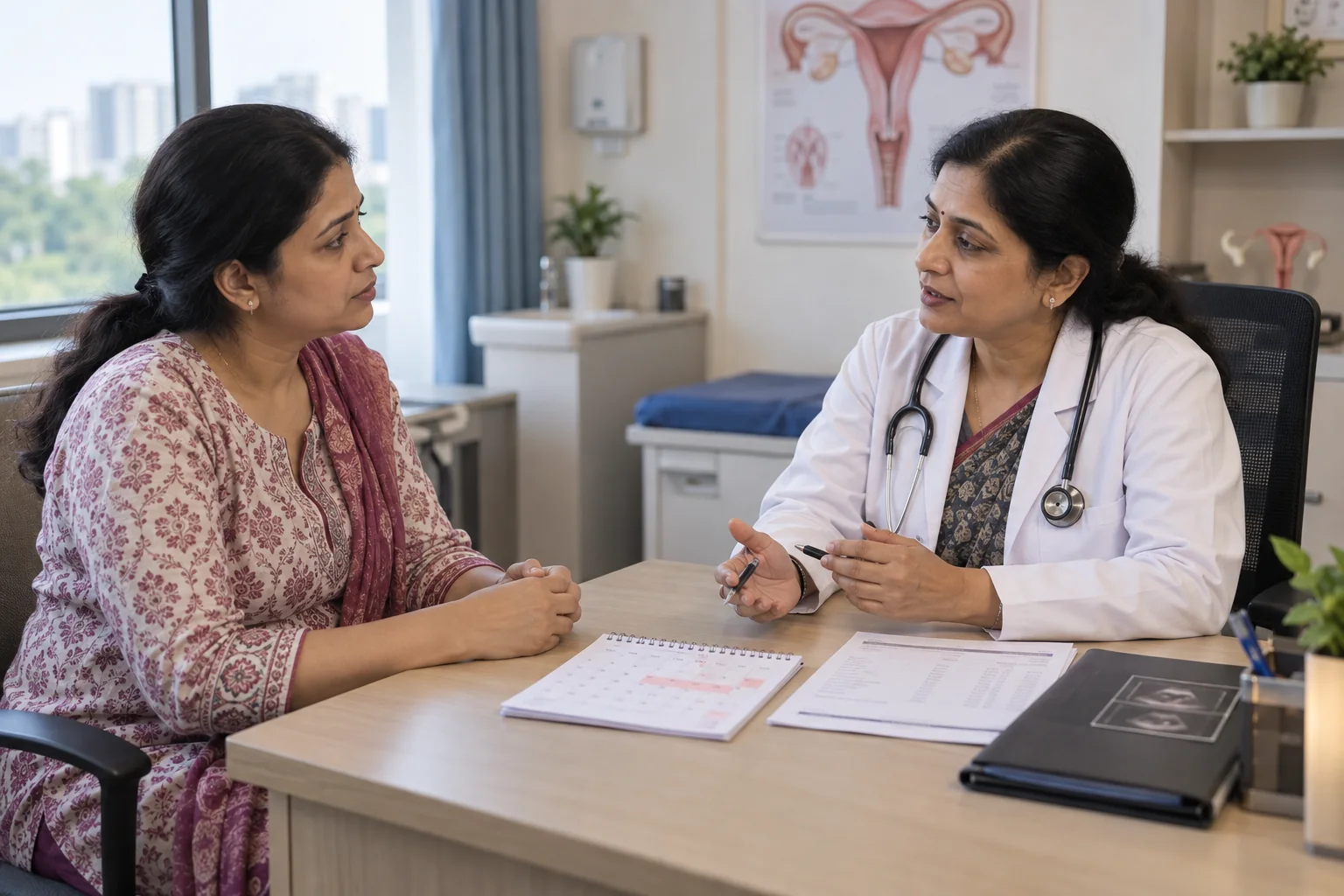
Many women silently tolerate heavy periods for months or years, assuming it is normal for them. But heavy bleeding, prolonged bleeding, bleeding between periods, or bleeding after intercourse should not be ignored. It can lead to anemia, weakness, poor daily functioning, and sometimes signal an underlying gynecology problem.
If you are searching for heavy periods treatment in Rishikesh or a gynecologist for abnormal bleeding, this guide will help you understand when medical evaluation is needed and what your doctor may check.
What counts as heavy or abnormal bleeding?
Bleeding may be considered heavy if you need to change pads very frequently, pass large clots, bleed for more days than usual, feel dizzy or weak during periods, wake up at night to change protection, or avoid normal activities because of bleeding.
Abnormal bleeding also includes periods coming too often, spotting between periods, bleeding after sex, bleeding after menopause, or sudden change in the usual cycle pattern.
Possible causes
Heavy bleeding can happen due to hormonal imbalance, PCOS, thyroid problems, fibroids, polyps, adenomyosis, infection, pregnancy-related issues, certain medicines, bleeding disorders, or changes around perimenopause. Sometimes the cause is simple. Sometimes it needs detailed evaluation.
The important point is this: treatment should not start only to stop bleeding temporarily. The cause should be assessed, especially if the problem repeats.
Tests your gynecologist may advise
Depending on age and symptoms, the doctor may advise hemoglobin, complete blood count, thyroid test, pregnancy test, ultrasound, urine test, infection evaluation, Pap smear when appropriate, or other investigations. If bleeding is severe, urgent assessment may be needed.
Women should track the first day of bleeding, number of days, flow severity, clots, pain, dizziness, and medicines taken. This information helps the doctor decide faster.
Treatment options depend on the cause
Treatment may include iron correction, medicines to control bleeding, hormonal treatment where suitable, infection treatment, management of thyroid or PCOS-related issues, or procedure-based treatment for selected conditions. The correct option depends on age, diagnosis, pregnancy plans, severity, and reports.
Do not use leftover hormonal tablets, emergency pills, or painkillers repeatedly without medical advice. They can mask symptoms and delay diagnosis.
When heavy bleeding becomes urgent
- Soaking pads very frequently or bleeding that feels uncontrollable
- Dizziness, fainting, breathlessness, chest discomfort, or extreme weakness
- Severe lower abdominal pain with bleeding
- Bleeding during pregnancy or after a positive pregnancy test
- Bleeding after menopause
- Fever, foul-smelling discharge, or severe pelvic pain
Care at Shri Sidhbali Hospital
Shri Sidhbali Hospital provides gynecology consultation, diagnostics, pharmacy support, and hospital-based care in Rishikesh. Women with heavy bleeding, irregular periods, anemia symptoms, pelvic pain, or pregnancy-related bleeding should consult early instead of waiting for the condition to worsen.
Bring previous ultrasound reports, blood tests, prescriptions, and a written note of your cycle pattern. Clear details improve the quality of consultation.
Medical note: This article is for patient education only. It does not replace consultation with a qualified gynecologist. Heavy bleeding and abnormal uterine bleeding require evaluation based on age, symptoms, examination, and reports.