 Shri Sidhbali Hospital
24/7 Emergency
Shri Sidhbali Hospital
24/7 EmergencyNormal Delivery vs C-Section in Rishikesh: How Doctors Decide Safely
Understand when normal delivery or C-section may be advised, how doctors decide safely, and what families in Rishikesh should ask before delivery.
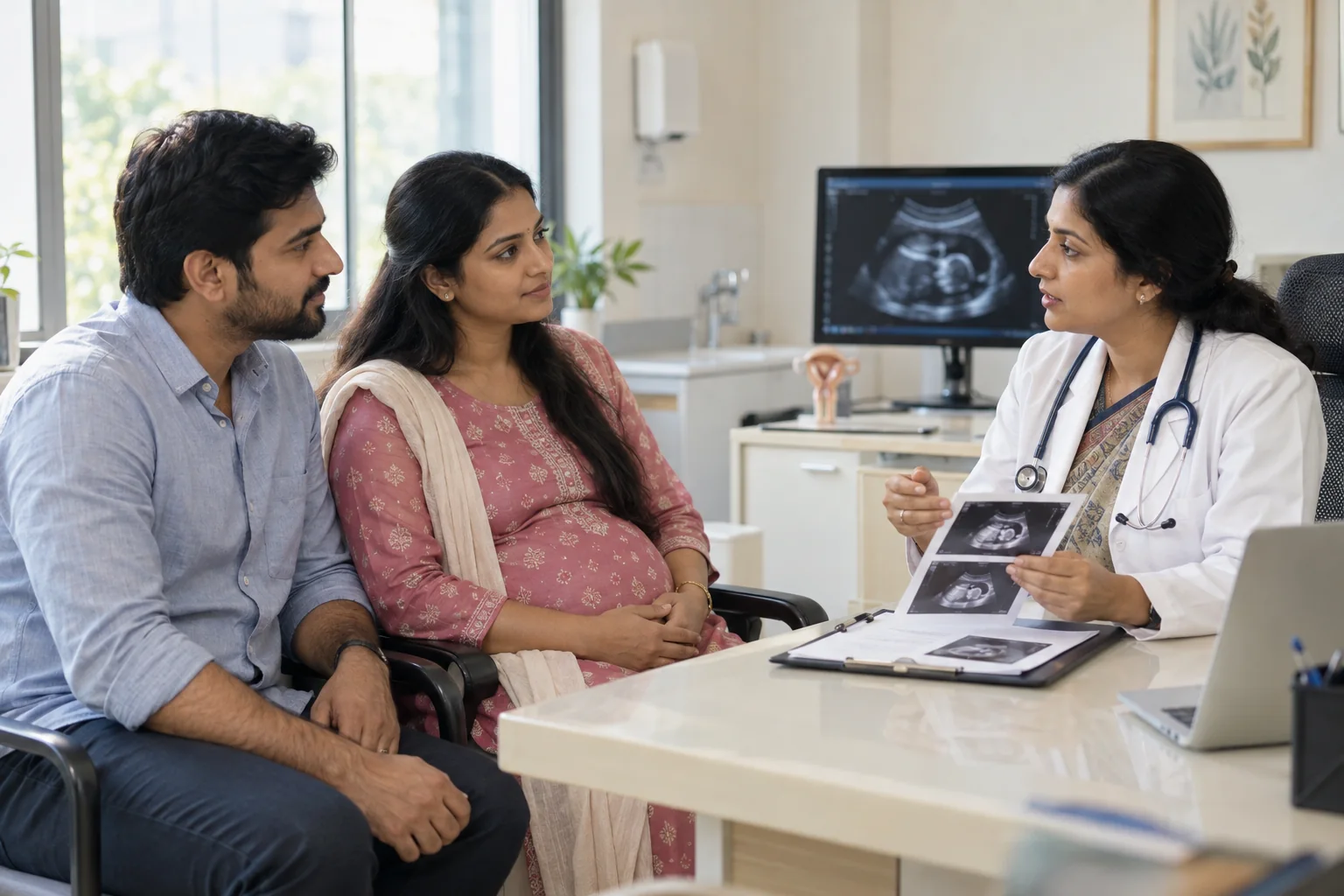
For many families, delivery planning begins with one big question: will it be a normal delivery or a C-section? The honest answer is that no responsible doctor can decide this only from preference or fear. The safer route depends on the mother's health, the baby's position and growth, previous delivery history, labour progress, scan findings, blood pressure, bleeding risk, and real-time monitoring during labour.
If you are searching for a normal delivery hospital in Rishikesh or want to understand when C-section may become necessary, this guide explains the decision in a practical way. The goal is not to label one method as better for everyone. The goal is a healthy mother, a healthy baby, and a delivery plan that can change quickly if safety demands it.
What normal delivery means
Normal delivery usually means vaginal birth, where the baby is delivered through the birth canal. It may happen naturally or with medical support such as labour monitoring, pain-relief options, medicines when clinically needed, and guidance from the maternity team.
For many low-risk pregnancies, vaginal birth can be preferred because recovery is often faster and there is no abdominal surgery. However, it still needs careful monitoring. A normal delivery should never mean ignoring warning signs or forcing labour when the baby or mother is not safe.
What C-section means
A C-section, or caesarean delivery, is a surgical delivery through the abdomen and uterus. It may be planned in advance or performed urgently if labour becomes unsafe. A planned C-section may be discussed for reasons such as certain previous uterine surgeries, placenta-related problems, some abnormal baby positions, multiple pregnancy concerns, or other medical risks.
An emergency C-section may be advised if there are signs of fetal distress, heavy bleeding, obstructed labour, severe maternal complications, or labour that is not progressing safely. In these situations, the decision is not about convenience. It is about preventing delay when delay can create risk.
How doctors decide during pregnancy and labour
A gynecologist usually reviews multiple factors before recommending a delivery route. These include maternal blood pressure, hemoglobin, sugar levels, thyroid status, previous C-section history, baby's position, estimated growth, amniotic fluid, placenta position, fetal movements, and any high-risk pregnancy factor.
During labour, the decision can change. Even if normal delivery is planned, the team may shift to C-section if monitoring suggests danger. Similarly, some women who are anxious about delivery may still be suitable for vaginal birth after proper counselling and preparation.
Questions families should ask before delivery
- Ask whether your pregnancy is low risk or high risk right now.
- Ask what signs mean you should come to the hospital immediately.
- Ask whether painless delivery or epidural pain relief is suitable in your case.
- Ask what situations may require emergency C-section.
- Ask what newborn support is available if the baby needs observation after birth.
Delivery planning at Shri Sidhbali Hospital
Shri Sidhbali Hospital provides maternity and gynecology care in Rishikesh with access to operation theatre support, diagnostics, pharmacy, pediatric consultation, and NICU support. This matters because delivery care should be prepared for both routine and urgent situations.
For families in Rishikesh and nearby areas, the best next step is to discuss your reports, previous delivery history, and concerns directly with the gynecology team. A safe plan is personal, not copied from another patient's experience.
Medical note: This article is for patient education only. It does not replace consultation with a qualified gynecologist. Delivery route must be decided after clinical examination, reports, and real-time medical assessment.